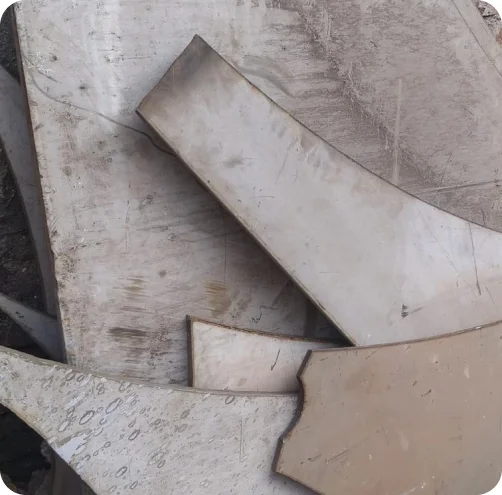
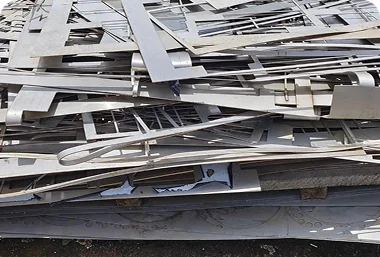
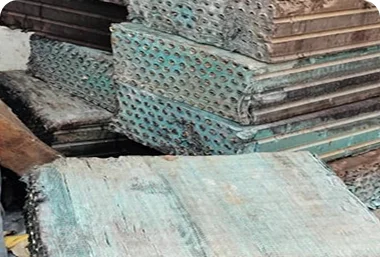

Duplex Steel

Duplex stainless steel combines approximately equal proportions (40-60%) of austenitic and ferritic phases in its microstructure, achieved through elevated chromium (20-28%), molybdenum (up to 5%), nitrogen (0.05-0.50%), and reduced nickel (up to 9%) compared to standard austenitics, yielding superior strength (often double that of 304/316), excellent resistance to chloride stress corrosion cracking, pitting, and crevice corrosion, alongside good toughness down to -80°C and low thermal expansion. These properties stem from the synergistic benefits of both phases—ferritic for stress corrosion resistance and austenitic for ductility—making it work-hardenable, abrasion-resistant, and suitable for demanding applications like chemical processing, offshore platforms, desalination plants, and pressure vessels where high mechanical performance and corrosion protection are critical

Duplex 2205

Features:
  • Duplex stainless steel combines the corrosion resistance of austenitic steels with the strength of ferritic steels, offering excellent durability in harsh environments requiring strength, corrosion resistance, and cost-effectiveness.

Applications:
Chemical processing, oil and gas exploration, marine environments, water and wastewater treatment, heat exchangers, pressure vessels, and structural components due to its high strength and excellent corrosion resistance.
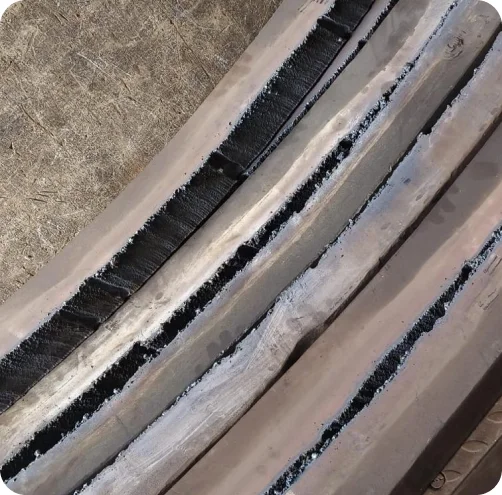
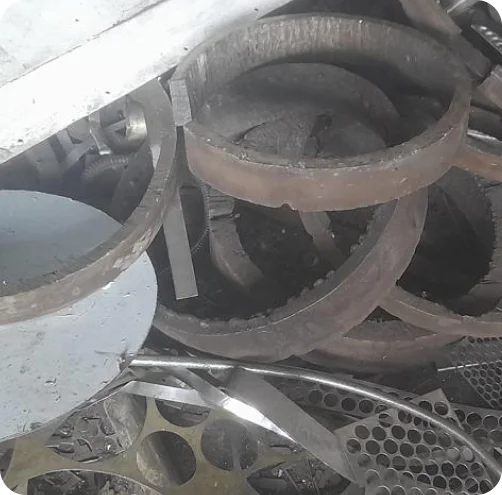
Heat Treatment:
Annealing at 1020-1100°C followed by rapid cooling (typically water quenching) to dissolve intermetallic phases, restore corrosion resistance, and optimize mechanical properties, to avoid prolonged exposure in the 650-980°C range to prevent sigma phase formation and embrittlement.
Duplex 2205 grade
Duplex 2205 stainless steel is a two-phase alloy combining approximately equal amounts of austenite and ferrite, offering high strength, excellent corrosion resistance, especially against pitting and stress corrosion cracking, and good weldability; it is widely used in chemical processing, oil and gas, marine environments, water treatment, and structural applications for its durability and cost-effectiveness

Nickel (Ni): 4.5–6.5%

Chromium (Cr): 21.0–23.0%

Molybdenum (Mo): 2.5–3.5%

Nitrogen (N): 0.14–0.20%

Carbon (C): ≤ 0.03%

Manganese (Mn): ≤ 2.0%

Silicon (Si): ≤ 1.0%

Phosphorus (P): ≤ 0.03%

Iron (Fe): Balance

Duplex 2205 about

Offshore oil and gas industry: Pipework systems, risers, manifolds

Chemical processing: Pipelines, pressure vessels, heat exchangers

Marine engineering: Shipbuilding, desalination plants

Construction: Architectural cladding, structural components

Aerospace industry components: Aircraft engines and landing gear, due to its excellent strength-to-weight ratio and fatigue resistance

Pharmaceutical and geothermal equipment: Benefiting from its strong corrosion resistance and durability in harsh chemical environments.
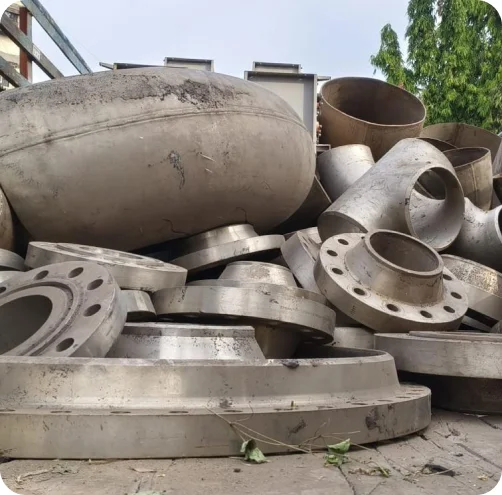
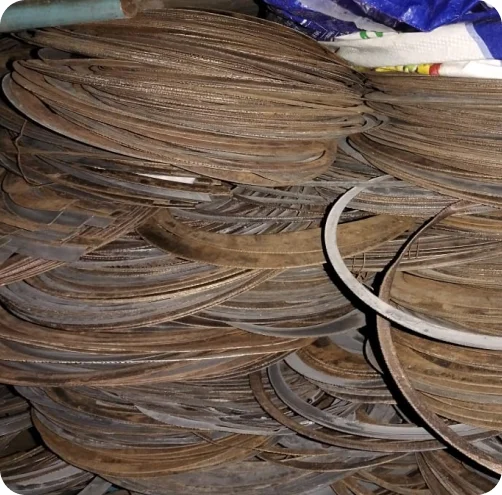
Duplex 2205 uses

Duplex 2507

Features:
  • Duplex 2507 stainless steel offers exceptional corrosion resistance, including resistance to chloride-induced pitting, crevice corrosion, and stress corrosion cracking.
  • It features high mechanical strength—approximately twice that of conventional austenitic stainless steels—making it ideal for demanding environments like oil and gas, chemical processing, and marine applications.
Applications:
Desalination plants, oil and gas industry equipment including offshore platforms and pipelines, chemical processing vessels and heat exchangers, marine components like ship propellers, pulp and paper industry, power generation systems, and food and pharmaceutical processing due to its exceptional strength and corrosion resistance.
Heat Treatment:
Annealed at 1040-1120°C (1904-2048°F) for about 30 minutes, followed by rapid water quenching to achieve optimal corrosion resistance and mechanical properties, while avoiding prolonged exposure between 350-950°C (662-1742°F) to prevent embrittlement from sigma phase formation.
Duplex 2507 grade
Duplex 2507 is a super duplex stainless steel alloy containing approximately 25% chromium, 4% molybdenum, and 7% nickel, designed for applications requiring exceptional strength and corrosion resistance. It offers outstanding resistance to chloride-induced pitting, crevice corrosion, and stress corrosion cracking, combined with mechanical strength about twice that of conventional austenitic stainless steels. Its low carbon and high nitrogen content contribute to enhanced toughness and durability, making it ideal for use in chemical processing, offshore oil and gas platforms, desalination plants, marine equipment, and power generation. Duplex 2507 stainless steel also features high thermal conductivity, a low coefficient of thermal expansion, and good weldability, suitable for service temperatures up to 600°F (316°C).

Nickel (Ni): 6.0–8.0%

Chromium (Cr): 24.0–26.0%

Molybdenum (Mo): 3.0–5.0%

Nitrogen (N): 0.24–0.32%

Carbon (C): ≤ 0.03%

Manganese (Mn): ≤ 1.20%

Silicon (Si): ≤ 0.80%

Copper (Cu): ≤ 0.50%

Iron (Fe): Balance

Duplex 2507 about

Oil & Gas: Offshore platforms, risers, pipelines, pressure vessels, valves

Chemical processing: Reactors, heat exchangers, storage tanks, piping systems

Marine engineering:  Shipbuilding components, seawater handling systems, propellers, shafts

Power Generation: Flue gas desulfurization units, boilers, cooling systems

Pulp & Paper: Bleaching equipment, chemical processing vessels

Pharmaceutical: Process equipment requiring corrosion resistance and hygiene standards
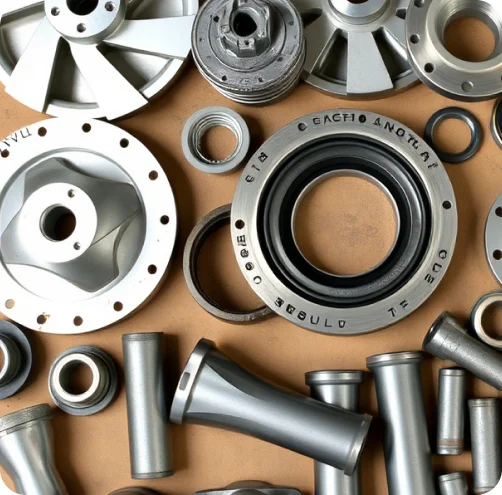
Duplex 2507 uses

Contact Us

Please share your contact information, and our team will promptly get in touch to assist with your requirements.
Generic selectors
Exact matches only
Search in title
Search in content
Post Type Selectors