Metal

Pure metals like chromium (melting point 1907°C) form passive oxide layers essential for stainless steel corrosion resistance, while nickel (1455°C) stabilizes the austenite phase in grades like 304/316 for non-magnetic ductility, and molybdenum (2623°C) enhances pitting and crevice resistance in duplex steels such as 2205. Titanium (1668°C) prevents carbide precipitation and sensitization in ferritic/duplex alloys, cobalt (1495°C) provides high-temperature stability and wear resistance in superalloys for turbines, and tungsten (3422°C) imparts extreme hardness and red-hardness to high-speed tool steels—yet alloying these with iron in stainless formulations optimizes strength, cost, and recyclability for industrial applications
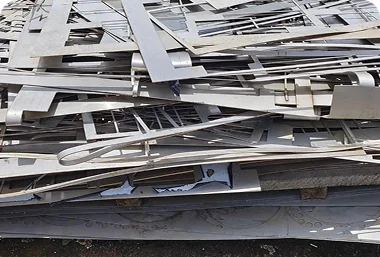

Nickel

Nickel is a silvery-white, hard and ductile transition metal valued for its excellent corrosion resistance, high melting point and good mechanical strength. It is widely used as an alloying element in stainless steels and high-performance alloys to improve toughness, formability and durability in aggressive environments, from chemical processing and marine systems to power generation and aerospace components. Nickel’s combination of oxidation resistance, useful magnetic behavior and good electrical and thermal conductivity makes it essential in applications such as electronic connectors, batteries, turbines and precision engineered parts.

Symbol: Ni

Atomic Number: 28

Atomic Weight: 58.69

Density: 8.90 g/cm³ at 25°C

Crystal Structure: Face-centered cubic

Melting Point: 1453°C

Boiling Point: 2730–2913°C

Appearance: Silvery-white, lustrous metal

Hardness (Vickers)~400 HV

nickel about
Features:
  • Highly resistant to corrosion and oxidation, even at elevated temperatures
  • Malleable and ductile, allowing extensive shaping and forming
  • Catalytic properties and protective oxide layer for enhanced durability
  • Can be deposited by electroplating

Applications:
Stainless steel production—nickel improves corrosion resistance and toughness, Nickel alloys (ni chrome, Monel, Inconel) for heating elements, marine, chemical, and high-temperature applications, Rechargeable batteries (NiCd, NiMH), coinage, and catalysts.
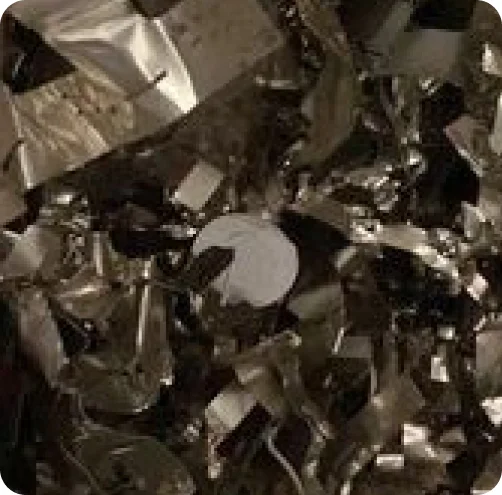
Heat Treatment:
Annealed at 700–900°C to achieve high ductility and uniform grain structure, while nickel alloys may require specific solution or precipitation treatments for enhanced strength and corrosion resistance
nickel grade

Metallurgy & Alloy Production: Stainless Steel, High Performance Alloys Production

Chemical Processing: Chemical reactors, storage tanks, and piping requiring high resistance to acids, alkalis, and chlorine, catalysts in hydrogenation and organic synthesis processes

Electronics & Energy: Rechargeable batteries (Ni-Cd, Ni-MH) and fuel cells for mobile devices, power tools, and electric vehicles, electronic connectors and components requiring reliable conductivity and corrosion resistance

Aerospace & Power Generation: Jet engine components, rocket motors, and turbine discs exposed to extreme heat and stress, nuclear power plant parts needing outstanding durability at elevated temperatures

Automotive: Spark plug electrodes and exhaust system components exposed to corrosive gases and high temperatures

Coinage & Consumer Goods: Coins and medals for their durability and resistance to wear, Kitchenware, tools, and medical devices demanding non-reactivity and longevity
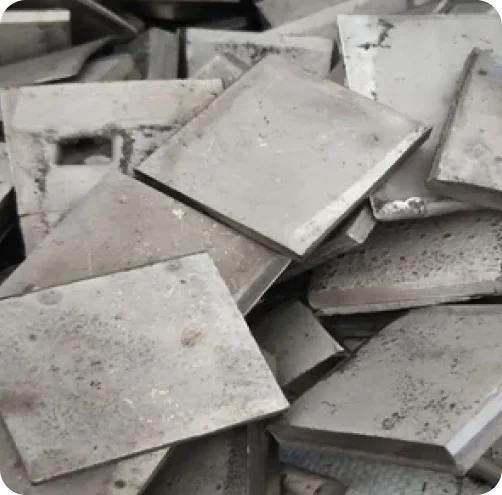
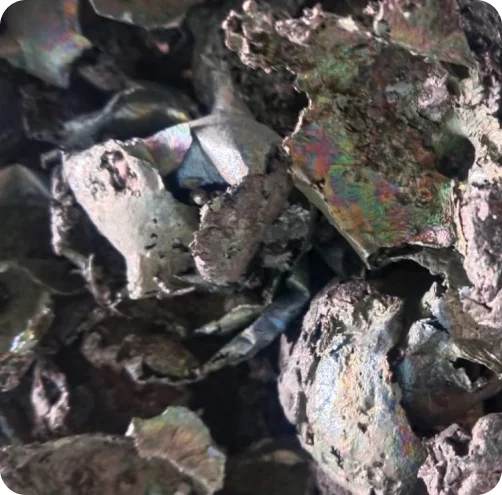
nickel uses

Molybdenum

Molybdenum is a silvery-white metal known for its exceptionally high melting point (2623°C) and outstanding strength at elevated temperatures, making it vital for high-heat industrial applications. It offers excellent corrosion resistance and low thermal expansion, ensuring durability in harsh environments like aerospace, chemical processing, and power generation. Widely used as an alloying agent, molybdenum significantly enhances the hardness, toughness, and corrosion resistance of steels and superalloys, while also serving as a key catalyst in various chemical industries.

Symbol: Mo

Atomic Number: 42

Atomic Weight: 95.95 g/mol

Density: 10.2 g/cm³

Crystal Structure: Body-centered cubic

Melting Point: 2623°C (4753°F)

Boiling Point: 4639°C (8382°F)

Appearance: Silvery-white, hard transition metal

BalaMohs Hardness: 5.5 nce

Molybdenum about
Features:
  • Molybdenum has an exceptionally high melting point (2623°C) and maintains strength at elevated temperatures, making it ideal for high-heat applications
  • It exhibits excellent corrosion resistance in harsh chemical and marine environments, ensuring long-term durability
  • Molybdenum is a versatile catalyst in chemical processes and plays a critical role in alloy strengthening for demanding industrial uses
Applications:
Alloying agent in steel and superalloys to enhance strength, hardness, and corrosion resistance, Heating elements in high-temperature furnaces due to exceptional melting point and thermal stability, catalyst in chemical industry processes, Components in aerospace and nuclear industries for high-temperature performance, Electronic and electrical components
Heat Treatment:
  • Annealing to relieve internal stresses typically performed at temperatures from 1200°C to 1800°C under controlled atmospheres
  • Recrystallization occurs between 800–1200°C depending on deformation history
Molybdenum grade

Metallurgy & Steelmaking: Alloying element in stainless steel and high-strength steels to improve hardness, toughness, corrosion resistance, and high-temperature strength

Chemical Industry: Used in catalysts for petroleum refining, organic chemical production, and as pigments and solid lubricants

Aerospace & Defense: Components in jet engines, missile parts, and heat-resistant alloys requiring excellent thermal stability

Electronics & Electrical: Filaments, electronic contacts, and components in lighting and power devices due to high conductivity and thermal resistance

Energy & Power Generation: Parts for nuclear reactors, high-temperature furnace components, and thermal power plants

Construction & Industrial: Solid lubricants, pigments, and corrosion inhibitors in cooling and heating systems
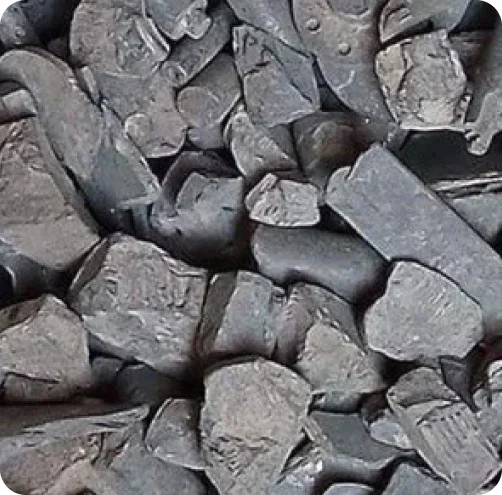
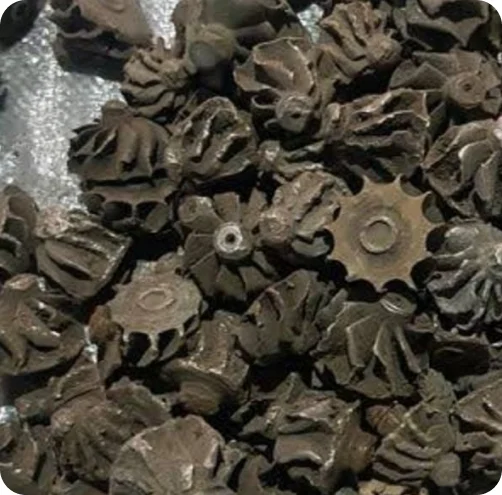
Molybdenum uses

Chromium

Chromium is a hard, silvery-gray transition metal known for its high corrosion resistance and hardness. It is predominantly used as an alloying element in stainless steel, where it forms a protective oxide layer that prevents rusting and enhances durability. Chromium also plays a significant role in chrome plating for decorative and protective coatings, pigments for paints and dyes, and leather tanning. Its high melting point and resistance to oxidation make it valuable in refractory applications and chemical processing, while various chromium compounds serve as catalysts and oxidizing agents in industrial reactions. Chromium’s unique properties make it indispensable in metallurgy, manufacturing, and various chemical industries.

Chromium (Cr): 24.0–26.0%

Nickel (Ni): 19.0–22.0%

Carbon (C): ≤ 0.10%

Manganese (Mn): ≤ 2.0%

Silicon (Si): ≤ 1.5%

Phosphorus (P): ≤ 0.045%

Nitrogen (N): ≤ 0.11% (in some variants)

Iron (Fe): Balance

Chromium about
Features:
  • High melting and boiling points
  • Strong, corrosion-resistant metal used primarily as an alloying element
  • Major component in stainless steel, imparting hardness and corrosion resistance
  • Forms colorful compounds used in pigments and dyes
Applications:
Chromium is primarily used as an alloying element in stainless steel and other corrosion-resistant alloys, enhancing hardness, tensile strength, and resistance to oxidation and corrosion, It is widely utilized for chrome plating to provide a protective and decorative finish on automotive parts, tools, and appliances, as well as in pigments for paints, ceramics, and dyes.
Heat Treatment:
Annealing between 1000–1100°C to dissolve chromium carbides and restore a uniform microstructure, enhancing corrosion resistance and toughness. Homogenization and tempering steps are employed to break up coarse carbides and precipitate finely dispersed carbides, improving machinability and hardness within controlled temperature ranges around 1200–1400°F (650–760°C).
Chromium grade

Metallurgy & Steelmaking: Essential alloying element in stainless steel and various corrosion-resistant alloys, improving hardness, strength, and oxidation resistance

Chemical Industry: Used in catalysts, leather tanning, wood treatment, and production of chromium salts

Decorative Coatings: Hard chromium plating for automotive parts, tools, and household fixtures to provide corrosion resistance and aesthetic shine

Pigments and Dyes: Chromium compounds used in paints and ceramics for stable, vibrant colors like chrome green and yellow

Refractory Materials: Chromium-containing refractories and bricks for high-temperature furnaces and kilns in steel and cement industries

Electronics and Optics: Chromium oxide thin films for optical coatings, magnetic recording media, and electronic components
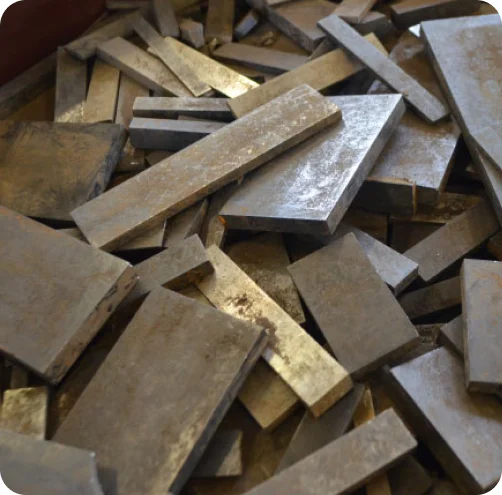
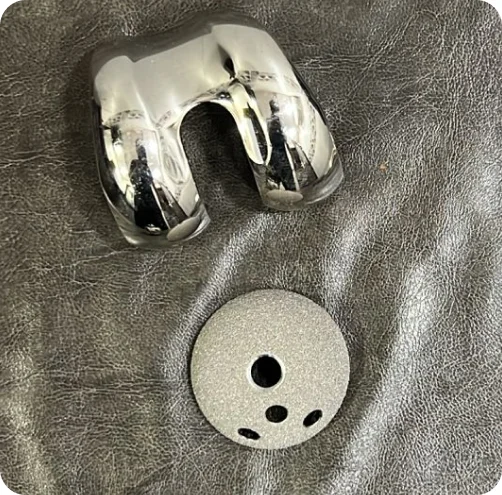
Chromium uses

Titanium

Titanium is a lightweight, strong, and corrosion-resistant metal widely used across multiple industries. In aerospace, it is critical for aircraft frames, engine components, and spacecraft due to its high strength-to-weight ratio and thermal resistance. The medical field relies on titanium for implants, surgical instruments, and dental devices because of its biocompatibility and durability. Industrial applications include chemical processing equipment, heat exchangers, and marine hardware, where its corrosion resistance and robustness are essential. Titanium also finds use in automotive, sports equipment, architecture, and consumer goods, valued for its unique combination of strength, weight, and longevity.

Symbol: Ti

Atomic Number: 22

Atomic Weight: 47.87 g/mol

Density: 4.51 g/cm³

Melting Point: 1668°C

Boiling Point: 3260°C

Crystal Structure: Hexagonal close packed (alpha, below 883°C), body-centered cubic (beta, above 883°C)

Appearance: Metallic-white, lustrous, with gentle sheen

Hardness: Rockwell B 70–74 (commercially pure)

Titanium about
Features:
  • Titanium offers a remarkable combination of high strength-to-weight ratio and low density, making it as strong as steel yet over 40% lighter
  • It provides outstanding corrosion resistance—even in seawater and many aggressive environments—due to its stable oxide layer
  • Titanium is highly biocompatible and non-toxic, enabling widespread use in medical implants, aerospace, and high-performance engineering applications
Applications:
Essential in aerospace and automotive industries for its superb strength-to-weight ratio, corrosion resistance, and ability to withstand extreme environments. Its excellent biocompatibility and durability make it the preferred choice for medical implants, surgical devices, and dental application
Heat Treatment:
Heat treated to optimize strength, ductility, fatigue resistance, and structural stability, using processes such as annealing, solution treating, aging, and stress relieving; heat treatment schedules and temperatures are selected based on alloy type and desired performance, with vacuum or inert atmosphere often required to prevent contamination.
Titanium grade

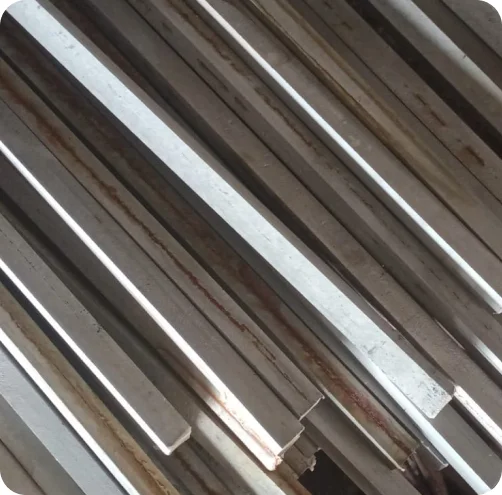
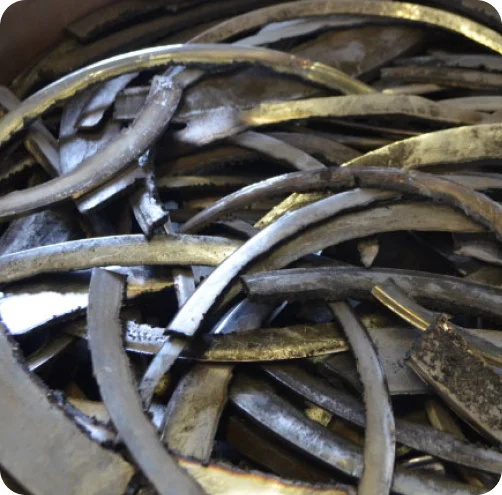
Aerospace: Used in aircraft engines, airframes, compressor blades, landing gear, and exhaust systems due to its high strength-to-weight ratio and corrosion resistance

Medical: Preferred material for surgical instruments, implants, dental devices, and prosthetics because of its biocompatibility and durability.

Chemical Processing: Used in reactors, heat exchangers, piping systems, and vessels handling aggressive chemicals due to its excellent corrosion resistance

Automotive & Sports: Used in race cars, motorcycles, bicycle frames, sports equipment, and lightweight automotive parts for strength and weight reduction.

Industrial & Power Generation: Found in turbine blades, condenser tubes, and heat exchangers in power plants, improving efficiency and service life.

Consumer Products & Architecture: Titanium is used in eyewear, watches, jewelry, and architectural elements for its durability and corrosion resistance.
Titanium uses

Cobalt

Cobalt is a lustrous, hard, and ferromagnetic transition metal with excellent thermal and chemical stability, making it indispensable in high-performance applications. Widely used in superalloys, cobalt enhances strength and heat resistance for jet engines, gas turbines, and power plants. Its superior wear resistance and corrosion resistance make cobalt-based alloys ideal for medical implants and dental prosthetics. In electronics, cobalt is critical for manufacturing permanent magnets, as well as lithium-ion battery cathodes that power electric vehicles and portable devices. Additionally, cobalt compounds provide vibrant blue and green pigments in ceramics and glass, and cobalt acts as an important catalyst in petroleum refining and chemical synthesis, showcasing its versatility across industries

Symbol: Co

Atomic Number: 27

Atomic Weight: 58.933 g/mol

Density: 8.86 g/cm³

Melting Point: 1495°C

Boiling Point: 2927°C

Crystal Structure: Hexagonal close-packed (hcp) at room temperature, transforming to face-centered cubic (fcc) above 450°C

Appearance: Lustrous, silvery-blue metal

Hardness: Hard, brittle, and durable

Features:
  • High melting and boiling points suitable for high-temperature applications
  • Strong magnetic properties essential for magnetic alloys and recording media
  • Excellent wear resistance and durability for cutting tools and superalloys
  • Acts as a critical alloying ingredient in aerospace, power generation, and chemical industries

Applications:
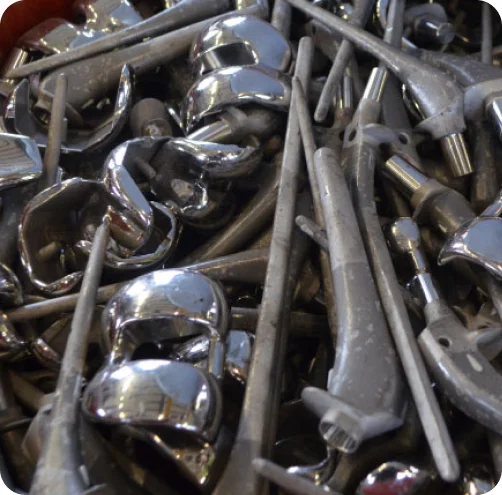
Cobalt is widely used in high-performance superalloys for jet engines, gas turbines, and power generation equipment due to its strength and heat resistance. It is a key component in permanent magnets (such as Alnico), rechargeable lithium-ion batteries, and catalysts in petroleum refining and chemical synthesis. Additionally, cobalt is used in ceramics and glass for blue pigments, as well as in cutting tools and wear-resistant alloys where durability and hardness are essential.
Heat Treatment:
Heat treated by homogenizing at temperatures above 2150°F (about 1177°C) but below their melting point, followed by cooling to temperatures between 1650°F and 2100°F (about 899°C to 1149°C).
Cobalt grade

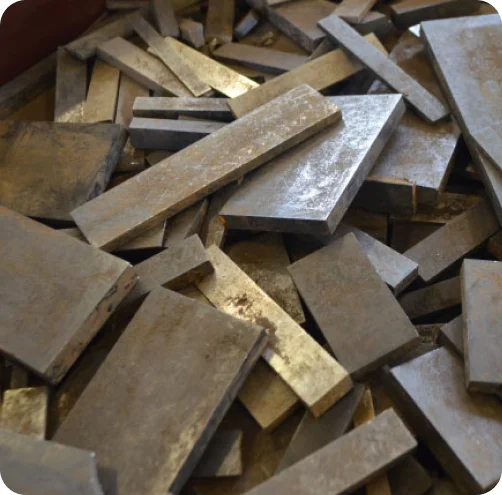
Battery Technology: Critical for lithium-ion battery cathodes, powering smartphones, electric vehicles, and energy storage systems with improved performance and longevity

Aerospace & Superalloys: Used in high-temperature-resistant superalloys for jet engines, gas turbines, and power generation, offering strength and thermal fatigue resistance

Medical & Dental: Cobalt-chromium alloys are widely used for prosthetics, dental crowns, and implants due to their biocompatibility and wear resistance

Permanent Magnets: Essential in manufacturing strong magnets like samarium-cobalt, used in electric motors, wind turbines, and audio devices.

Cutting Tools & Hard Alloys: Added to tool steels and cemented carbides for enhanced hardness, wear resistance, and durability in machining and mining industries

Catalysts & Chemical Industry: Used as a catalyst in petroleum refining and chemical processing to reduce emissions and improve efficiency
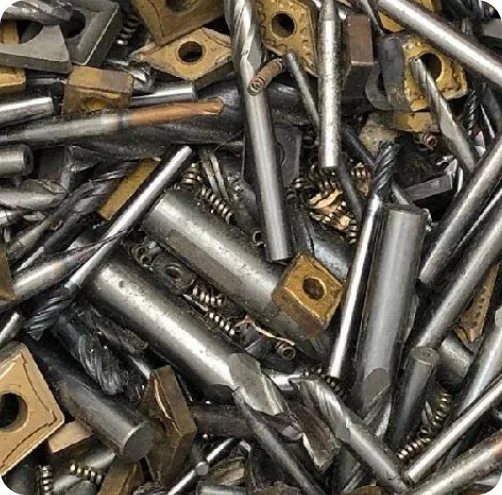
Cobalt uses

Tungsten

Tungsten is a highly dense, hard, and heat-resistant metal with the highest melting point of all metals at 3,422°C, making it indispensable in extreme environments. Its exceptional properties—including outstanding hardness, wear resistance, thermal and electrical conductivity, and corrosion resistance—make tungsten vital in diverse industrial and high-tech applications. It is widely used in aerospace for rocket nozzles and engine parts, in defense for armor-piercing projectiles, and in manufacturing for cutting tools and heavy-duty drills due to its durability and resistance to wear. Tungsten also plays a crucial role in electronics for filaments, electrodes, and radiation shielding, ensuring efficiency and safety in medical imaging and semiconductor devices. While pure tungsten is brittle and difficult to work with, it is often alloyed with other metals to enhance machinability without sacrificing its core strength, enabling its use in advanced engineering, electrical, and industrial sectors. Its multifaceted applications underscore tungsten’s status as a critical material for modern technology and industry.

Symbol: W

Atomic Number: 74

Atomic Weight: 183.84 g/mol

Density: 19.3 g/cm³ (very dense metal)

Melting Point: 3422°C (highest among metals)

Boiling Point: 5555°C

Crystal Structure: Body-centered cubic (BCC)

Appearance: Steel-gray to nickel-white lustrous metal

Hardness: Very hard, often brittle in pure form.

Tungsten about
Features:
  • Exceptional hardness and high melting point make it ideal for high-temperature and wear-resistant applications
  • High density contributes to its use in radiation shielding and ballast weights
  • Excellent corrosion resistance in many environments
  • Used often as an alloying element to improve hardness and toughness of steels and superalloys

Applications:
Tungsten is predominantly used in manufacturing cutting tools, drill bits, and wear-resistant carbide inserts essential for mining, metalworking, and construction industries due to its extreme hardness and durability. It is also vital in aerospace for high-temperature engine components, in electronics for filaments and electrical contacts, and in medical fields for radiation shielding and surgical instruments

Heat Treatment:
Rapidly heating it to near its recrystallization temperature (around 1800-2400°C) for a very short time to relieve internal stresses and improve ductility without causing harmful grain growth.
Tungsten grade

Metalworking & Mining: Widely used in tungsten carbide cutting tools, drill bits, and wear-resistant parts for enhanced durability and hardness in mining, construction, and metal fabrication

Energy & Industrial: Tungsten alloys are used in welding electrodes, nuclear reactors, wind turbines, and heavy machinery requiring strength and stability at extreme conditions.

Electronics: Essential in electrical contacts, filaments for light bulbs, semiconductors, and electron emitters, sustaining performance at high temperatures

Automotive: Incorporated in engine parts, turbochargers, and brake systems where wear resistance and thermal stability are needed.

Medical: Applied in surgical instruments, radiation shielding, and implants due to its biocompatibility and strength

Jewelry & Fashion: Used in scratch-resistant rings, watches, and accessories known for lasting finish and wear resistance
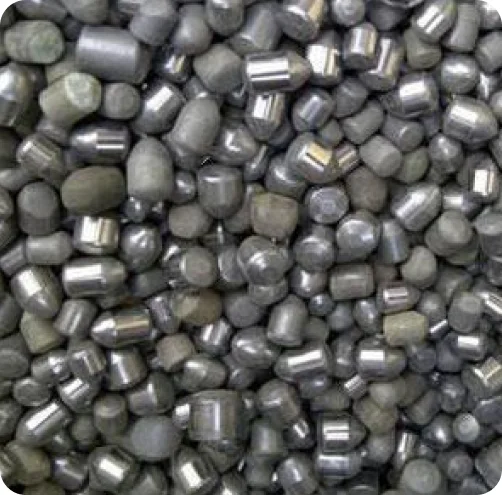
Tungsten uses

Contact Us

Please share your contact information, and our team will promptly get in touch to assist with your requirements.
Generic selectors
Exact matches only
Search in title
Search in content
Post Type Selectors