

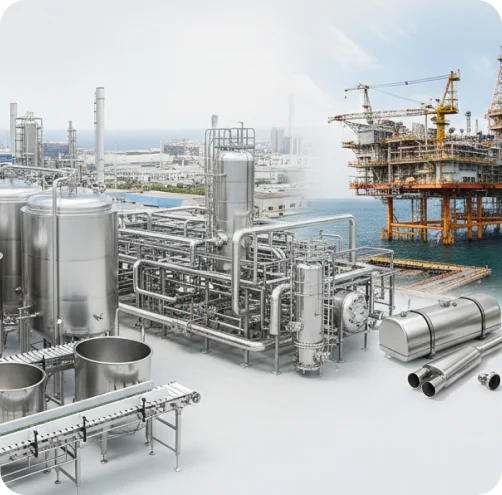
Austenitic Steel

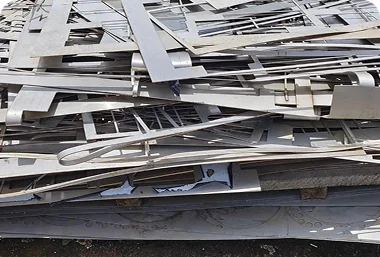
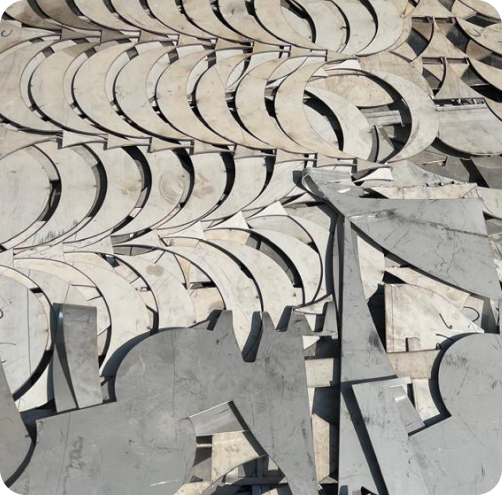
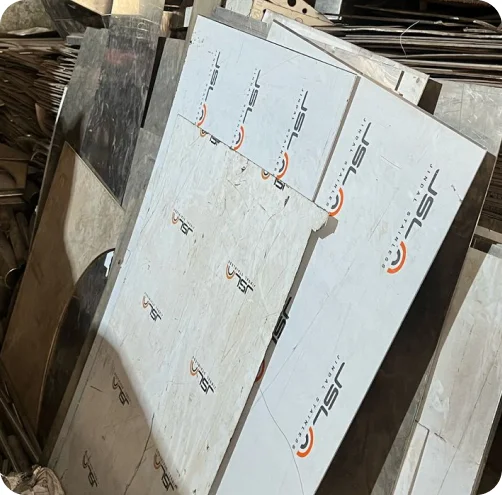
Austenitic stainless steel, the most widely used type of stainless steel, features a face-centered cubic (FCC) crystal structure stabilized by high nickel (8-25%) and chromium (16-25%) content, often with additions like molybdenum, nitrogen, or manganese, rendering it non-magnetic in the annealed state, highly ductile, and formable across cryogenic to elevated temperatures up to 1900°F. It excels in corrosion resistance against acids, alkalis, chlorides, and atmospheric conditions due to a passive chromium oxide layer, while offering excellent weldability, toughness, and strength without heat hardening—though cold working enhances hardness and may induce slight magnetism. 

SS 304

Features:
  • Austenitic stainless steel with 18% Cr and 8% Ni
  • Excellent corrosion resistance and heat resistance up to 870–925°C
  • Superior formability, weldability, and ease of fabrication
Applications:
Kitchen sinks and utensils, chemical containers, food processing equipment, architectural components like roofing and cladding, automotive parts, heat exchangers, and medical instruments due to its excellent corrosion resistance, strength, and ease of fabrication
Heat Treatment:
  • Heat treatment of 304 stainless steel typically involves annealing by heating to 1010-1120°C (1850-2050°F) followed by rapid cooling, usually water quenching, to relieve internal stresses, improve ductility, and refine grain structure
ss304
Stainless Steel 304 is a versatile and widely used alloy known for its excellent corrosion resistance, durability, and aesthetic appeal; it performs well in various environments due to its protective chromium oxide layer, making it ideal for applications in food processing, chemical and pharmaceutical equipment, architectural components, automotive parts, and medical instruments. Its high tensile strength, good formability, and weldability further enhance its suitability across multiple industries, ensuring long-term performance and low maintenance.

Chromium (Cr): 18-20%

Nickel (Ni): 8-10.5%

Carbon (C): ≤ 0.08%

Manganese (Mn): ≤ 2.00%

Silicon (Si): ≤ 1.00%

Phosphorus (P): ≤ 0.045%

Sulfur (S): ≤ 0.03%

Iron (Fe): Balance

ss304 about
Food processing: Equipment, kitchen sinks, and utensils
Chemical and pharmaceutical: Containers, reactors, and piping
Architectural: Cladding, roofing, handrails, and structural components
Automotive parts: Exhaust systems, fuel tanks, and body panels
Medical: Surgical instruments (scalpels, forceps), hospital furniture (beds, carts), medical tubing
Water treatment/wastewater facilities: Pipes, tanks, pumps; in household appliances/furniture: sinks, cookware, cabinets
ss304 uses

SS 316

Features:
  • Superior corrosion resistance, especially to chlorides and marine environments, due to molybdenum addition (2-3%)
  • High tensile strength and durability across a wide temperature range
  • Excellent weldability, formability, and hygienic surface properties, suitable for demanding industrial and food-grade applications

Applications:
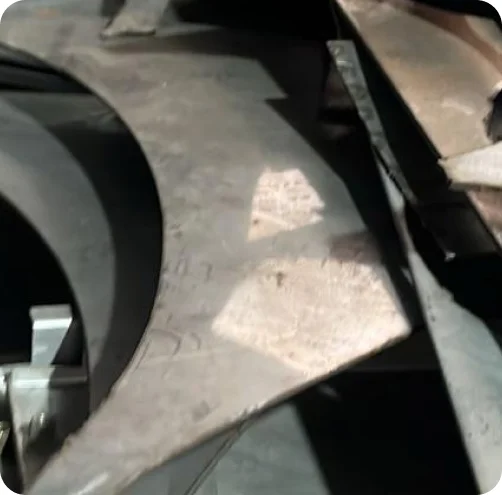
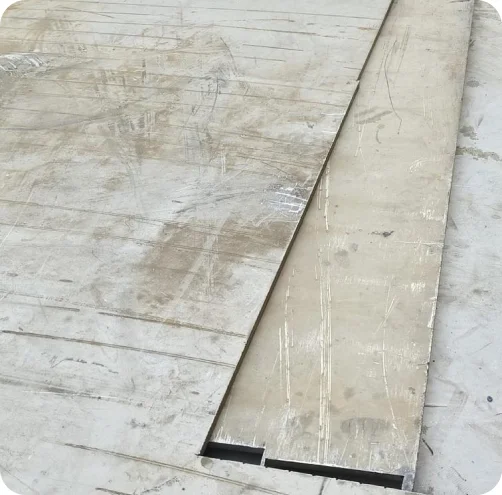
Chemical and petrochemical processing equipment, Food processing and pharmaceutical industry machinery, Marine environments including boat fittings and seawater equipment
Heat Treatment:
Annealed by heating to 1010-1120°C (1850-2050°F) followed by rapid cooling (usually water quenching) to relieve stresses and improve ductility; it is non-hardenable by heat treatment but can be strengthened by cold working
ss316 grade
Stainless Steel 316 is a widely used austenitic stainless steel alloy containing chromium, nickel, and molybdenum, which greatly enhances its corrosion resistance, especially against chlorides and marine environments. Known for its excellent mechanical properties, 316 offers high tensile strength, good ductility, and toughness, making it suitable for demanding applications in chemical processing, food and pharmaceutical industries, marine environments, and medical devices. It exhibits superior weldability and formability, retaining strength and oxidation resistance at elevated temperatures. Variants like 316L provide improved weldability by limiting carbon content, reducing carbide precipitation and intergranular corrosion risks. Overall, SS 316 is valued for its durability, hygienic surface, and resistance to pitting and crevice corrosion, making it an ideal choice for various industrial and architectural applications.

Carbon (C): ≤ 0.08%

Chromium (Cr): 16.0–18.0%

Nickel (Ni): 10.0–14.0%

Molybdenum (Mo): 2.0–3.0%

Manganese (Mn): ≤ 2.0%

Silicon (Si): ≤ 1.0%

Phosphorus (P): ≤ 0.045%

Iron (Fe): Balance

ss316 about

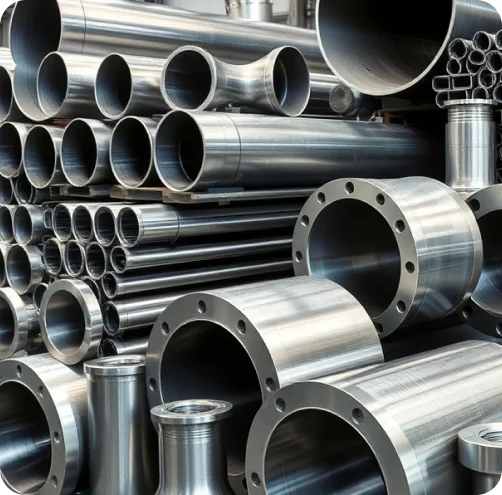
Chemical & Petrochemical: Tanks, valves, piping, and processing equipment for corrosive media

Marine: Boat fittings, propeller shafts, offshore platforms, saltwater filtration

Food & Pharmaceutical: Processing equipment, storage vessels, sanitary piping, and machinery

Medical: Surgical instruments, implants, and sterilizable devices

Architectural: Exterior cladding, handrails, decorative elements exposed to harsh weather

Water Treatment: Filtration housings, pumps, wastewater treatment components
ss316 uses

SS 310

Features:
  • Exceptional oxidation resistance at high temperatures up to 1100°C (2012°F)
  • Excellent strength, creep resistance, and toughness at elevated and cryogenic temperatures
  • Good weldability and formability for high-temperature applications

Applications:
Kilns, furnaces, and heat treatment equipment, Radiant tubes, annealing covers, and muffles, Petroleum refining and steam boiler components
Coal gasifiers, conveyors, oven linings, and furnace parts, Food processing equipment, Cryogenic structures and components

Heat Treatment:
Heat treatment of Stainless Steel 316 involves annealing by heating the material to 1010-1120°C (1850-2050°F) followed by rapid cooling (usually water quenching) to relieve internal stresses, enhance ductility, and improve corrosion resistance.
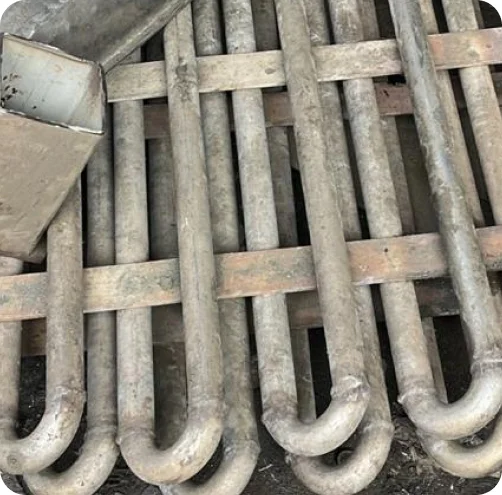
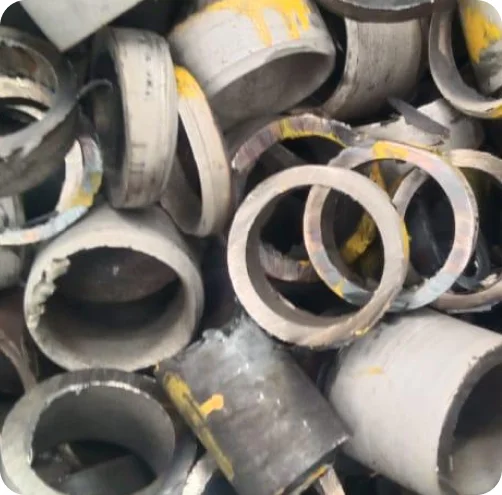
ss310 grade
SS 310: is an austenitic stainless steel alloy characterized by high chromium (24–26%) and nickel (19–22%) content, providing exceptional resistance to oxidation, corrosion, and high temperatures. It withstands continuous service temperatures up to 1150°C (2100°F) and intermittent exposure up to 1035°C (1900°F), making it ideal for furnace parts, heat treatment equipment, and petrochemical applications. SS 310 combines high strength, thermal stability, and good weldability, enabling long service life in harsh industrial environments. It’s widely used where superior heat resistance and durability against sulfidation, carburization, and scaling are critical.

Chromium (Cr): 24.0–26.0%

Nickel (Ni): 19.0–22.0%

Carbon (C): ≤ 0.10%

Manganese (Mn): ≤ 2.0%

Silicon (Si): ≤ 1.5%

Phosphorus (P): ≤ 0.045%

Nitrogen (N): ≤ 0.11% (in some variants)

Iron (Fe): Balance

ss310 about

Chemical Processing: Tanks, piping, reactors, and equipment handling corrosive chemicals

Petrochemical & Oil & Gas: Refinery components, pipelines, and gas plants operating under high temperatures

Power Generation: Boiler tubes, superheater and reheater tubing, flue gas handling systems, and gas turbine parts

Furnaces & Heat Treatment: Furnace tubes, muffles, burner components, annealing covers, and kiln linings

Marine: Components exposed to high temperatures and corrosive seawater environments

Aerospace & Automotive: Shaft, fasteners, and parts requiring heat resistance and mechanical strength
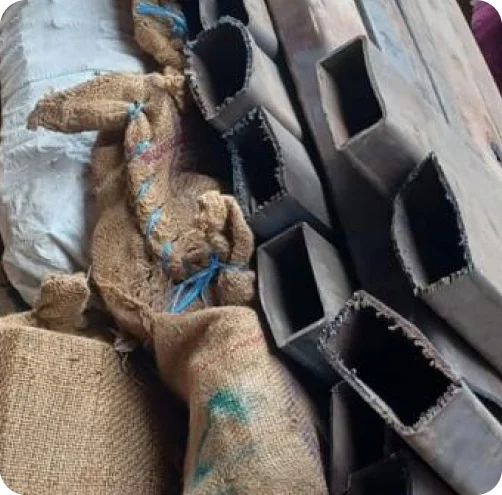
ss310 uses

SS 309

Features:
  • Exceptional oxidation resistance at high temperatures up to 1100°C (2012°F)
  • Excellent strength, creep resistance, and toughness at elevated and cryogenic temperatures
  • Good weldability and formability for high-temperature applications

Applications:
Kilns, furnaces, and heat treatment equipment, Radiant tubes, annealing covers, and muffles, Petroleum refining and steam boiler components
Coal gasifiers, conveyors, oven linings, and furnace parts, Food processing equipment, Cryogenic structures and components
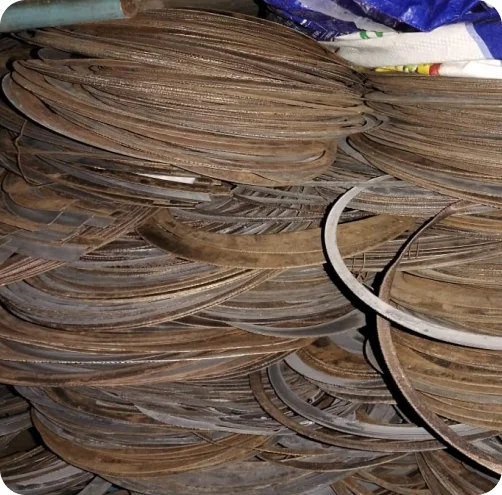
Heat Treatment:
Annealing at high temperatures between 1038–1121°C (1900–2050°F), followed by rapid cooling in water or air; this process restores ductility and corrosion resistance after cold working or machining, but SS 309 cannot be hardened by heat treatment—only by cold working
ss309 grade
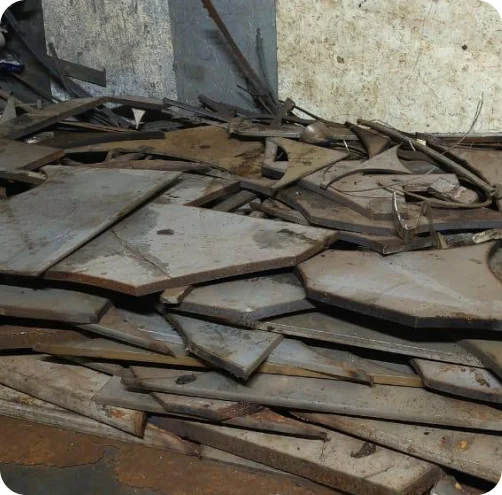
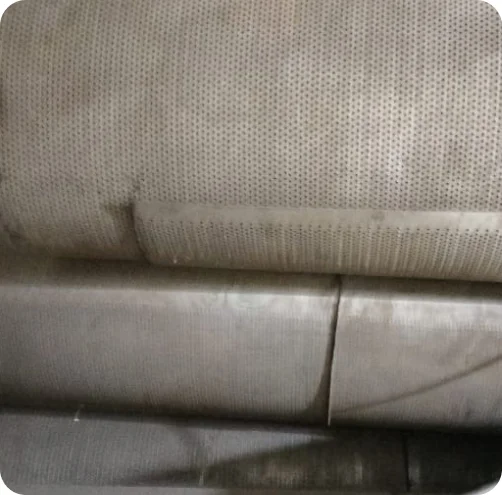
SS 309 is an austenitic chromium-nickel stainless steel designed for high-temperature applications, offering excellent resistance to oxidation up to 1900°F (1038°C) and good sulfidation resistance, but limited carburization resistance. Its high chromium (22–24%) and nickel (12–15%) content provide superior corrosion resistance compared to grade 304, making it ideal for furnace parts, heat exchangers, and waste treatment equipment exposed to thermal cycling and aggressive atmospheres. SS 309 remains non-magnetic in both annealed and cold-worked conditions, delivers reliable strength at elevated temperatures, and is easily fabricated or welded using standard processes.

Chromium (Cr): 22.0–24.0%

Nickel (Ni): 12.0–15.0%

Manganese (Mn): Up to 2.00%

Silicon (Si): Up to 1.00

Carbon (C): Max 0.20%

Phosphorus (P):Max 0.045%

Sulfur (S): Max 0.030%

Iron (Fe): Balance

ss309 about

Power & Energy: Furnace parts, boiler baffles, and firebox sheets for power generation equipment due to high-temperature stability and oxidation resistance. 

Chemical Processing: Heat exchangers, chemical reactor linings, and storage tanks with exposure to corrosive chemicals and gases.

Petrochemical & Oil/Gas: Piping, heat exchangers, and processing vessels in high-temperature and corrosive refining environments.

Food Processing: Oven linings, conveyor belts, and components for food-grade ovens and grills requiring both corrosion resistance and easy cleaning

Construction & Industrial: Structural support, furnace frameworks, kiln liners, and fixtures for cement, glass, and ceramics industries.

Aerospace & Automotive: Exhaust systems, turbocharger housings, and high-temperature shields in aerospace and automotive manufacturing
ss309 uses

SS 321

Features:
  • Exceptional oxidation resistance at high temperatures up to 1100°C (2012°F)
  • Excellent strength, creep resistance, and toughness at elevated and cryogenic temperatures
  • Good weldability and formability for high-temperature applications

Applications:
Aerospace components (exhaust manifolds, jet aircraft parts), Chemical and petrochemical industry equipment, Heat exchangers and expansion joints, Food processing equipment requiring high temperature corrosion resistance, Industrial boilers and pressure vessels
Heat Treatment:
Annealed at 950–1120°C followed by rapid cooling to maximize corrosion resistance by dissolving titanium carbides; it can be stress relieved at around 700°C to reduce residual stresses without affecting corrosion resistance, but cannot be hardened by heat treatment, gaining strength only through cold working
ss321 grade
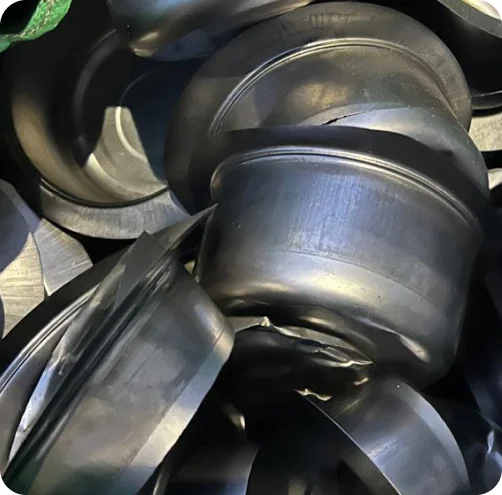
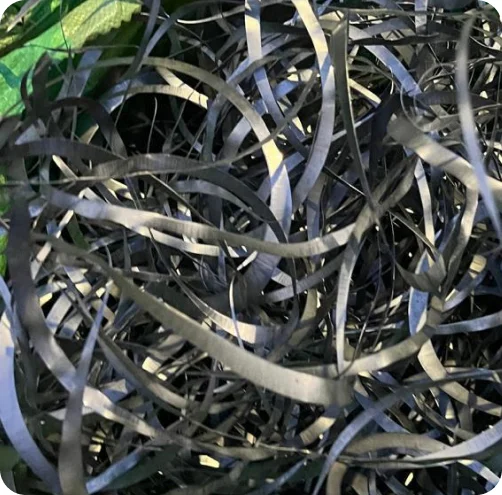
SS 321 is a titanium-stabilized austenitic stainless steel known for its excellent resistance to oxidation and intergranular corrosion, especially in high-temperature environments up to about 900°C (1650°F). It maintains good strength, toughness, and weldability without requiring post-weld heat treatment. The titanium content prevents chromium carbide precipitation during exposure to elevated temperatures, enhancing durability and corrosion resistance in applications such as aerospace exhaust systems, chemical processing equipment, and food industry machinery. SS 321 is non-magnetic, offers good formability, and is widely used where resistance to thermal fatigue and oxidation is critical.

Chromium (Cr): 17.0 – 19.0.0%

Nickel (Ni): 9.0 – 12.0%

Manganese (Mn): ≤ 2.00%

Silicon (Si): ≤ 1.00%

Carbon (C):≤ 0.08%

Phosphorus (P):≤ 0.045%

Titanium (Ti)5 × (C + N), typically up to 0.70

Iron (Fe): Balance

ss321 about

Aerospace: Aircraft exhaust systems, heat exchangers, and turbine engine components

Automotive: Exhaust systems, catalytic converters, turbochargers, and brackets

Chemical Processing: Pipes, tanks, valves, and heat exchangers handling corrosive acids and chemicals

Food Processing: Heat exchangers, processing equipment, and conveyor systems

Petrochemical & Oil/Gas: Boilers, pressure vessels, refinery equipment, and piping solutions for high-temperature and chloride environments

Medical: Surgical tools, dental implants, and medical devices requiring biocompatibility and corrosion resistance
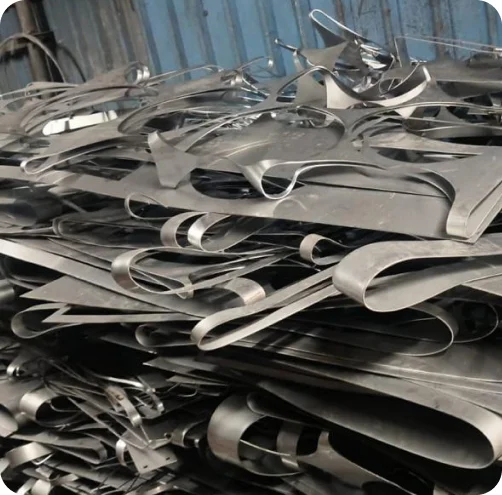
ss321 uses

SS 202

Features:
  • Exceptional oxidation resistance at high temperatures up to 1100°C (2012°F)
  • Excellent strength, creep resistance, and toughness at elevated and cryogenic temperatures
  • Good weldability and formability for high-temperature applications

Applications:
Restaurant equipment, kitchen utensils, sinks, Automotive trim, hose clamps, railway cars, trailers, Architectural hardware (doors, windows), general fabrication
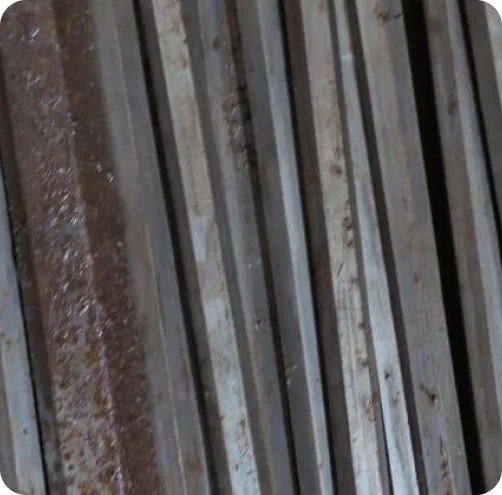
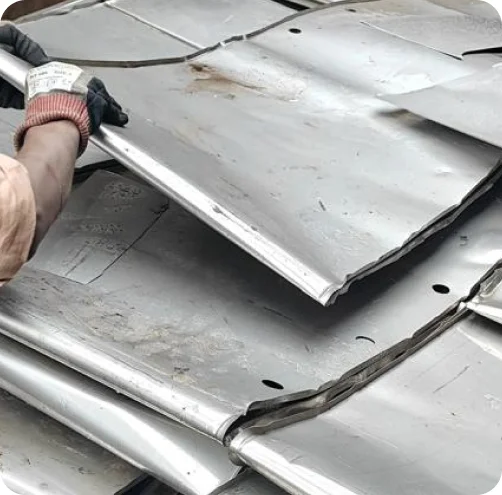
Heat Treatment:
Solution-annealed, non-hardenable by heat treatment, strengthened via cold working, with optional low-temperature stress relief post-fabrication.
ss202 grade
SS 202 (UNS S20200) is a low-magnetic austenitic stainless steel featuring 17–19% chromium, 4–6% nickel, and higher manganese content, designed to offer the elegant stainless steel appearance and reliable mechanical strength at a reduced cost by minimizing nickel, making it ideal for interior applications and mild outdoor environments with basic corrosion resistance.

Chromium (Cr): 17.0 – 19.0.0%

Nickel (Ni): 4.00–6.00%

Manganese (Mn): ≤ 7.50–10.00

Silicon (Si): ≤ 1.00%

Carbon (C): ≤ 0.15

Phosphorus (P):≤ 0.060

Iron (Fe): Balance

ss202 about

Construction & Architecture: Handrails, trims, structural components, frames, brackets, architectural panels, and interior elements like partitions

Automotive & Transportation: Exhaust systems, trim, body panels, railway cars, trailers, and coach interiors

Food Service & Hospitality: Restaurant equipment, kitchen utensils, sinks, cookware, and benches.​

Industrial & Manufacturing: Storage tanks, valves, pipes, fasteners, machinery components, ladders, and light-duty equipment in chemical or mild corrosive settings.

Other Sectors: Aerospace parts, shipbuilding, textiles, pharmaceuticals (pipelines, heat exchangers), and furniture frames.
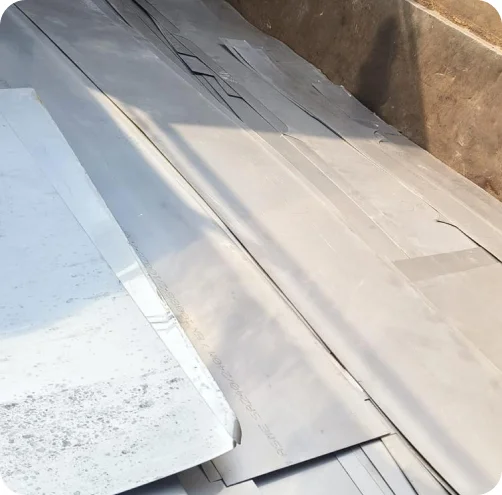
ss202 uses

Contact Us

Please share your contact information, and our team will promptly get in touch to assist with your requirements.
Generic selectors
Exact matches only
Search in title
Search in content
Post Type Selectors